ICGA2025 Report
ICGA2025 Report
3
Days
45
Posters
6
Lightning talks
5
Abstract tracks
12
Sponsors
A meeting that moved from “whether” to “how”
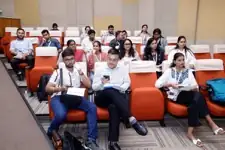
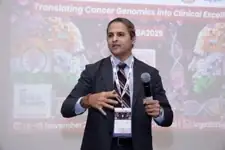
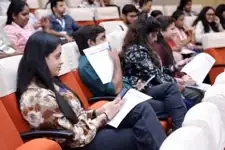
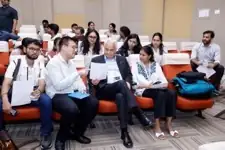
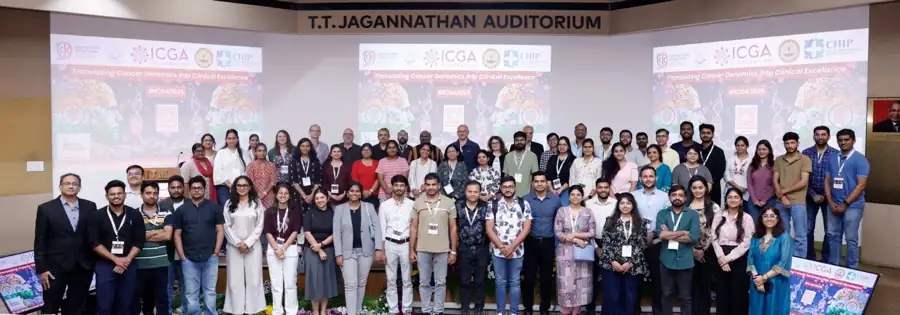
The Indian Cancer Genome Atlas (ICGA) Foundation convened its 6th Annual Meeting from 14–16 November 2025 at IIT Madras, Chennai. Oncologists, pathologists, genomic researchers, bioinformaticians, data scientists, industry professionals, public health experts and students came together to advance India’s national cancer genome profiling mission.
The programme ran from the fundamentals of genomic profiling to its hardest translational questions: how multi-omics data becomes a clinical decision, how real-world evidence should shape precision oncology in India, and where technology and policy still have to catch up with the science. Forty-five posters and six lightning talks gave early-career researchers a real platform alongside senior faculty, and a new Genomics Pathways Challenge turned an afternoon session into an interactive game.
“We hope the discussions and ideas presented here will inspire new partnerships, deepen understanding, and foster impactful translational outcomes.”
At a glance
| Venue | IIT Madras — Hall No. 3 and the T.T.J. Auditorium, ICSR Complex, Chennai |
|---|---|
| Pre-meeting workshop | “Interpreting NGS Reports: A Practical Guide for Clinicians, Researchers, and Students” — 14 Nov, 9:00 AM–1:00 PM |
| Welcome addresses | 14 Nov, 2:00–2:30 PM — Prof V Kamakoti (IIT Madras) and Prof (Dr) Hemanth Raj (Cancer Institute, Adyar) |
| Poster presentations | 15 Nov, Exhibition Hall, ICSR Complex — 2 sessions, 45 posters across 5 abstract tracks |
| Lightning talks | 16 Nov, T.T.J. Auditorium — 6 selected abstracts, 10-minute slots |
| Genomics Pathways Challenge | 16 Nov, 2:12–2:57 PM — interactive gaming session led by Mr Rajiv Rajendra |
| Awards & closing | 16 Nov, 4:37–5:22 PM, followed by high tea |
| Mentor–mentee sessions | Informally, during breaks across the meeting |
DAY 1 · 14 NOVEMBER
Workshop, opening and precision oncology foundations
Pre-meeting workshop: Interpreting NGS reports
The meeting opened with a hands-on workshop at the ICSR Complex. Introductory talks were combined with exercises, expert Q&A and case-based challenges covering NGS workflow fundamentals, interpretation of genomic findings, clinical relevance, and common pitfalls in reporting, so participants could use the skills as soon as they left the room.
Mentor faculty: Dr Sabarinathan Radhakrishnan (TIFR-NCBS, Bengaluru), Prof Vijayalakshmi Ramshankar (Cancer Institute WIA, Chennai), Dr Ankita Singh (Head of Scientific Affairs, ICGA Foundation), Dr Sandhya Iyer (Head of Reporting and Curation, 1Cell.Ai) and Dr Hrishita Vikas Kothavade (Lab Director and Oncopathologist, 1Cell.Ai).
Opening ceremony
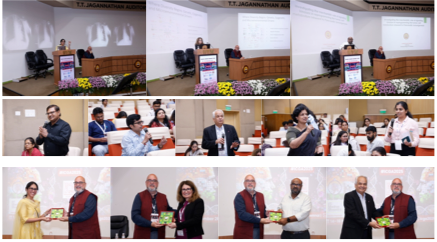
The formal programme opened at 2:00 PM with welcome addresses, setting the tone for the three days ahead.
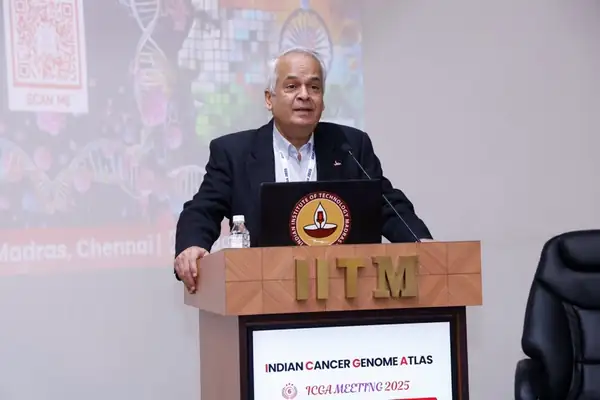
Featured sessions
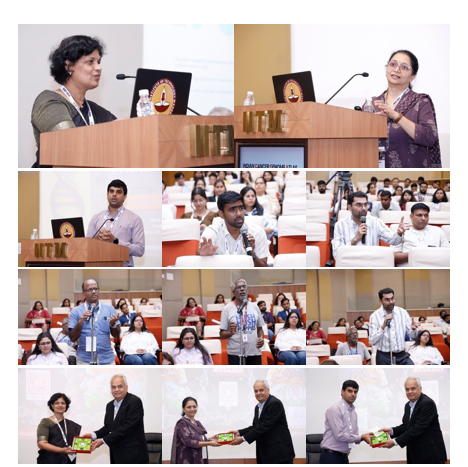
Cancer Genomics in the 21st Century
Prof Sharmila Bapat spoke on the genomics of ovarian cancer, and Prof Jyothi Prabhu on age-associated immune landscapes in breast cancer — population-specific findings that make the case for an India-focused cancer genome atlas. Dr Anuj Pandey (Premas Life Sciences) followed with a sponsor talk placing ICGA within the wider genomic revolution.
Panel: Decoding the Disconnect
Prof Arvind Krishnamurthy, Ms Sarika Phatak, Prof Ravi Mehrotra, Ms Swathi R and Mr Vedharaman Srinivasan took on a theme that recurred all meeting: the gap between what genomic science can now do and what reaches patients in clinics across India, and what it will take to close it.
Tumor Heterogeneity
Dr A Ramya, Dr Yesim Gokmen-Polar and Prof Suresh Rayala examined how variation within a single tumor complicates diagnosis, treatment selection and resistance, a theme that returned in the lightning talks two days later.

DAY 2 · 15 NOVEMBER
Poster presentations and data-driven genomics
From biobank to bioinformatics
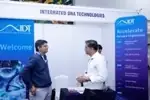
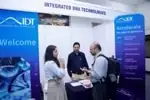
Day 2 opened by tracing the full pipeline from sample to insight. Dr Sudhir Nair spoke on biobanking and Dr Murali Dharan Bashyam on early-onset colorectal cancer genomics, pointing to SWI/SNF and ARID2 alterations as a distinguishing feature of early-onset disease. Prof Shama Prasada Kabekkodu presented on miRNA clusters in cervical cancer, and Dr Nidhan Biswas introduced the Indian Oral Cancer Atlas. Dr Katherine A Hoadley (University of North Carolina) drew on her long involvement with TCGA to present the molecular and spatial landscapes of breast cancer, and Dr Sabarinathan Radhakrishnan spoke on GATA3 mutant extensions. Sponsor talks from Beckman Coulter Life Sciences and Integrated DNA Technologies (IDT) looked at the automation and chemistry underpinning this pipeline.
ICGA session
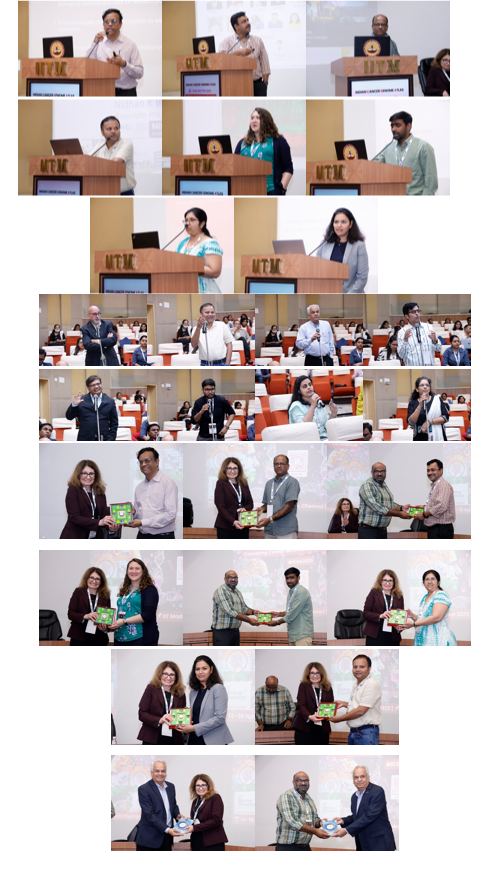
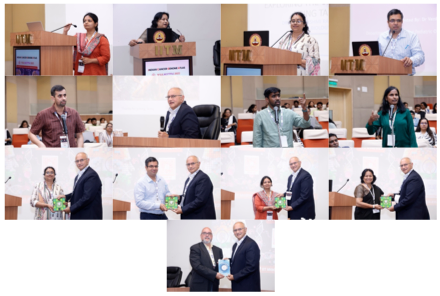
A dedicated ICGA session gave the Foundation’s scientific and clinical leadership — Dr Ankita Singh, Prof Rasika Gadkari, Prof Vijayalakshmi Ramshankar and Prof Venkatraman Radhakrishnan — the floor to speak on the mission’s progress and its clinical translation agenda.
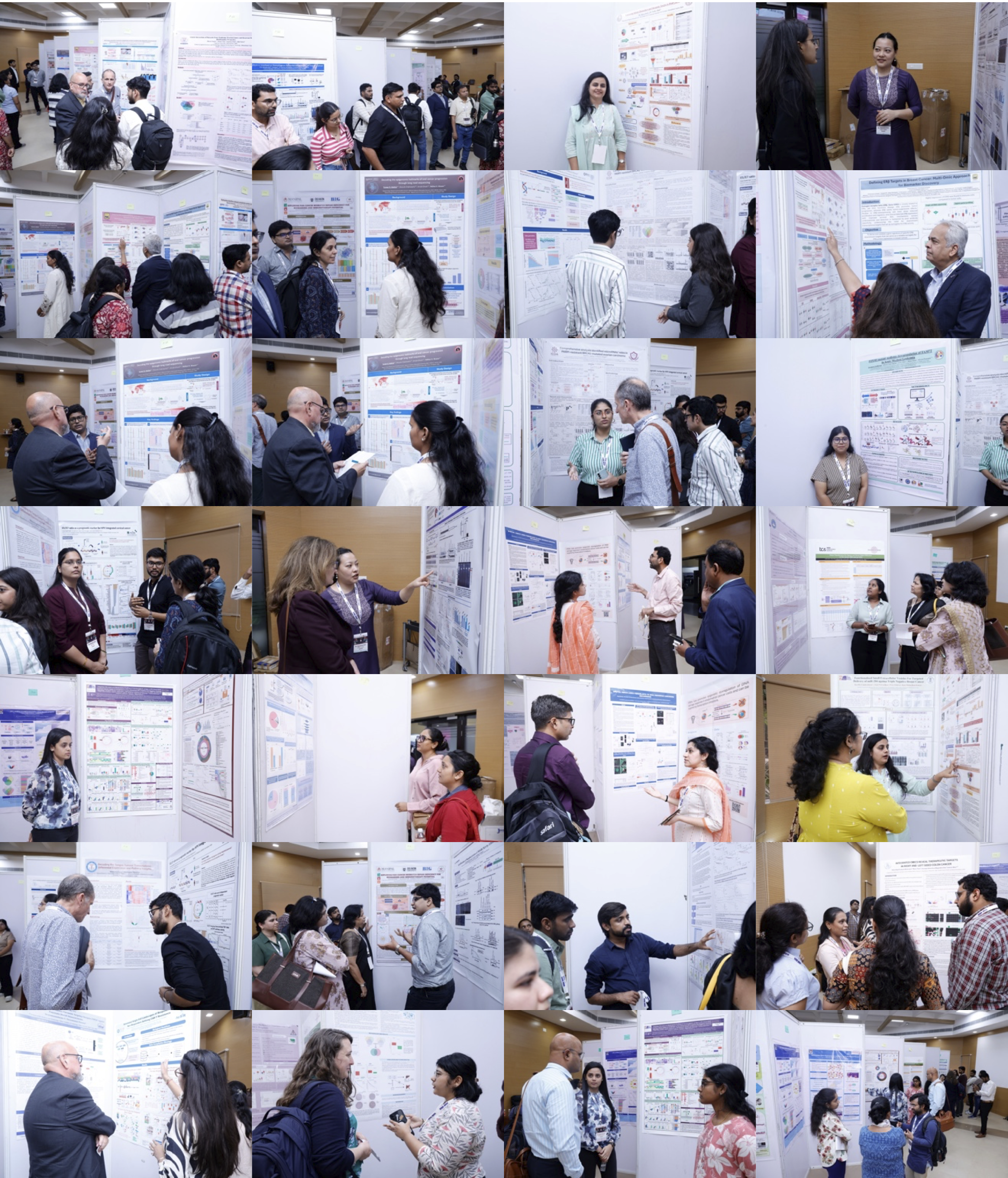
Poster session: a platform for emerging research
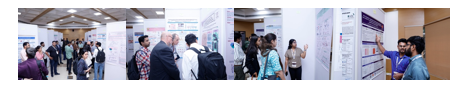
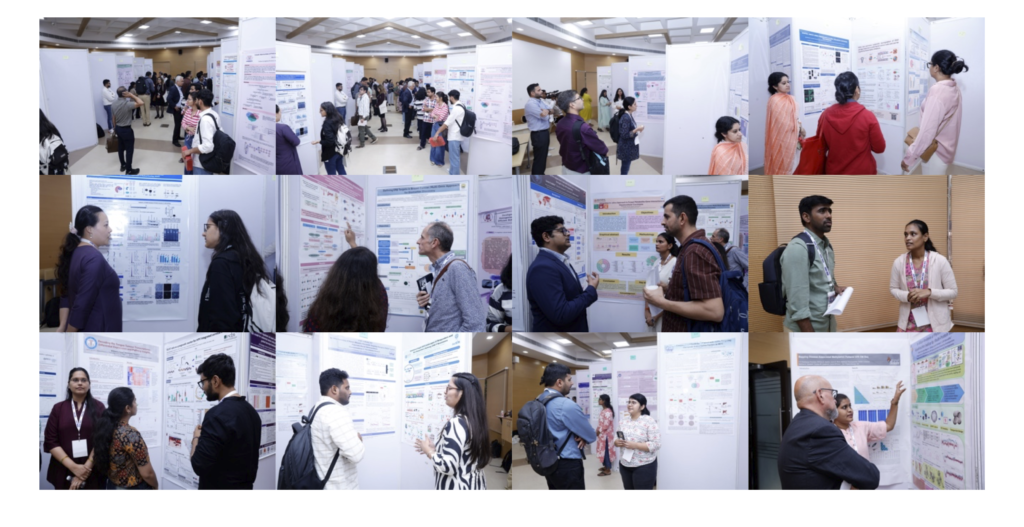
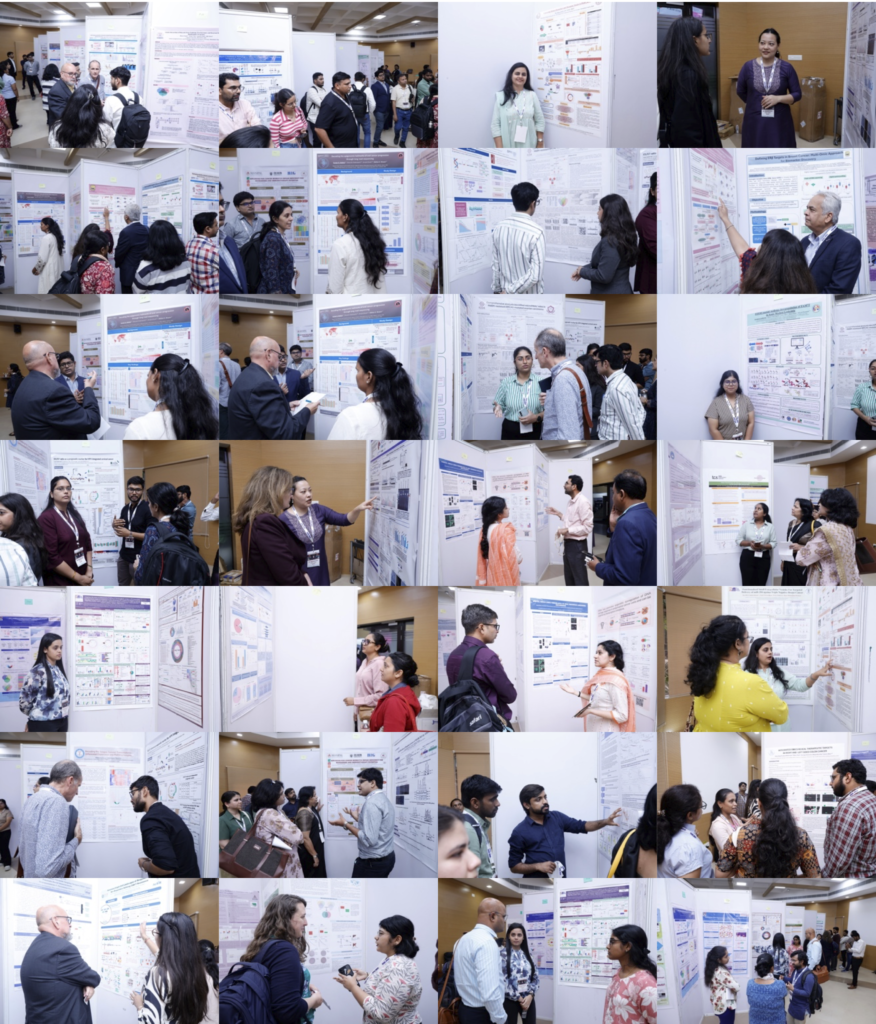
Poster presentations ran across two sessions at the Exhibition Hall, ICSR Complex. Participants submitted 250-word abstracts and presented across five tracks: tumor biology and biomarkers, data-driven cancer genomics, clinical cancer genomics applications, population-specific cancer studies, and technological and clinical innovations. In total, 45 posters were presented.

Mentor conversations
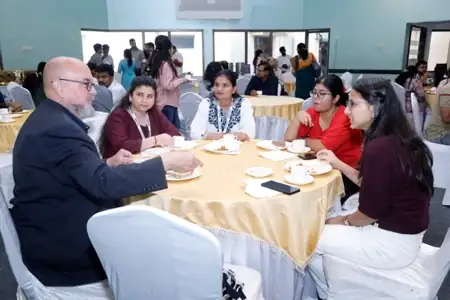
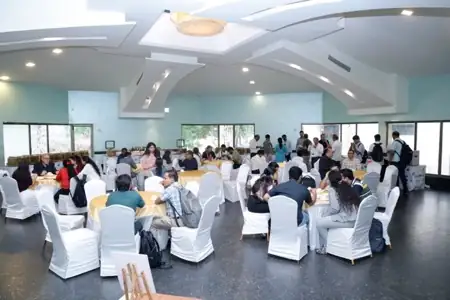
Alongside the formal programme, informal mentor–mentee sessions gave early-career researchers, students and clinicians small-group access to senior faculty for guidance on careers, publishing, funding and research navigation.
DAY 3 · 16 NOVEMBER
Lightning talks, patient care and closing
Cancer biology and genomics insights
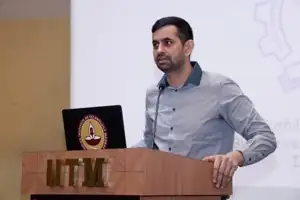
Prof Sushil Kumar (IIT Bombay) spoke on the mechanism of breast cancer invasion. Prof S Mahalingam (IIT Madras) presented his work on E4BP4/NFIL3, which modulates the epigenetically repressed Ras effector RASSF8 through histone methyltransferases.
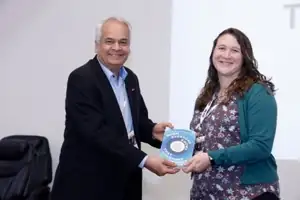
Panel: AI and big data — bridging research and real-world oncology
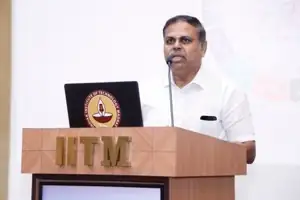
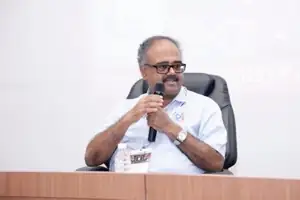
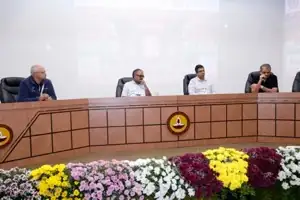
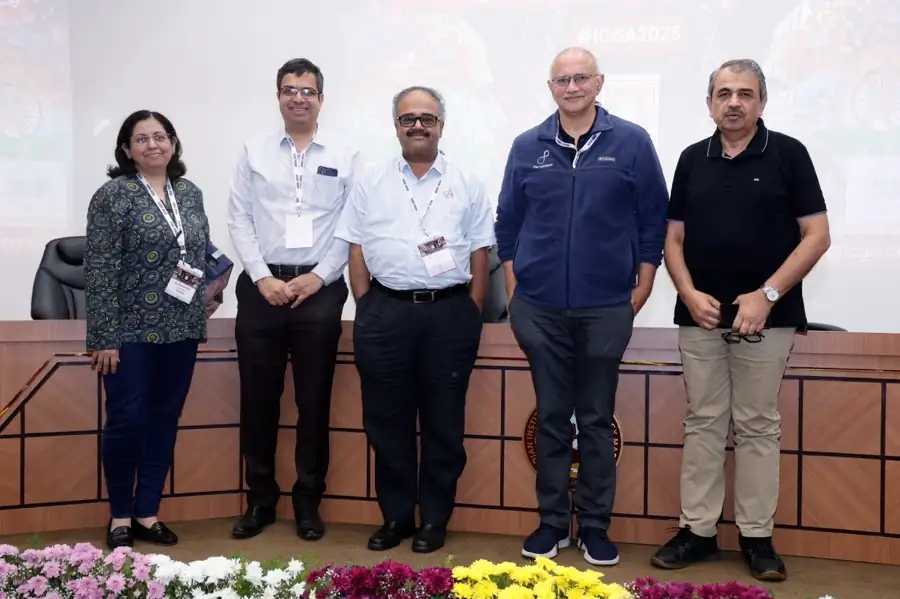
Prof L.S. Shashidhara (NCBS), Prof Anand Deshpande (Persistent Systems), Prof Venkatraman Radhakrishnan (Cancer Institute, Adyar) and Prof Balaraman Ravindran (IIT Madras) discussed how computational and data-science advances are, and are not yet, translating into real-world oncology practice. At the heart of the dialogue is ICGA, a national platform uniting researchers, clinicians, technologists and policymakers, aiming to make AI-driven cancer care equitable, scalable and impactful for all.
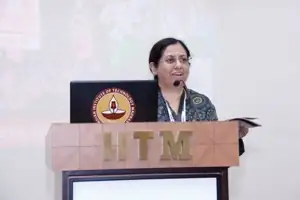
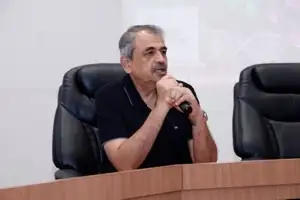
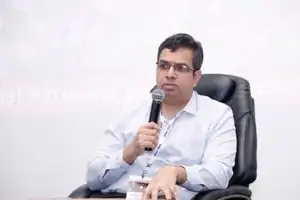
Lightning talks
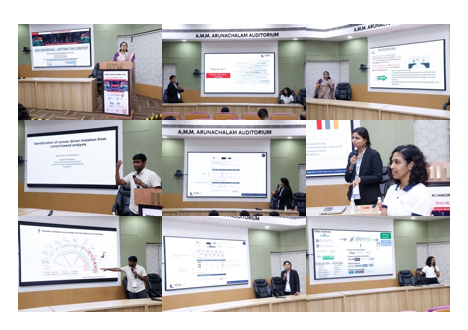
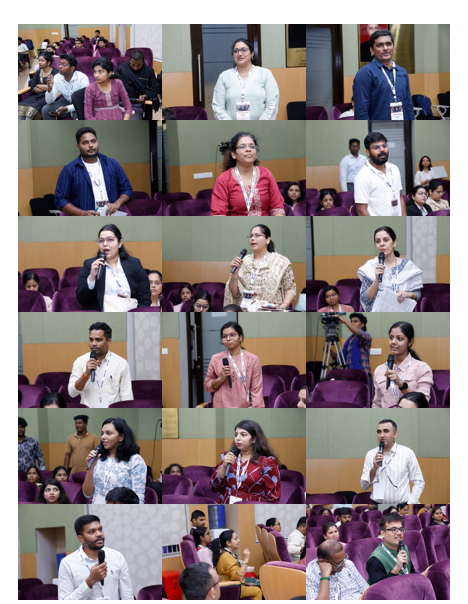
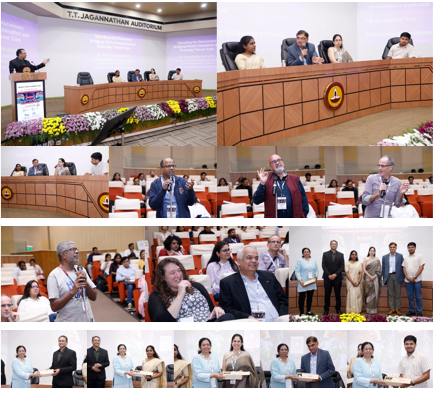
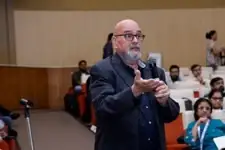
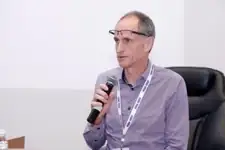
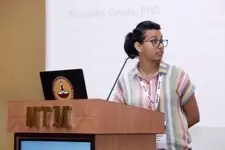
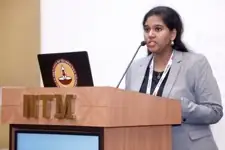
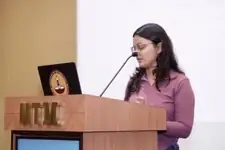
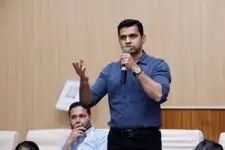
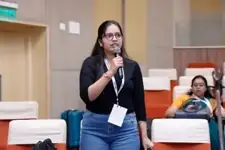
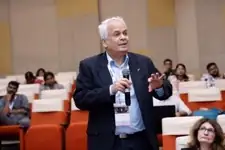
Six selected abstracts were presented in focused 10-minute slots (plus 2 minutes for questions) at the T.T.J. Auditorium, giving emerging researchers a platform in front of the full audience.
Spatial
transcriptomics mapping of the tumor–immune interface
77%
accuracy, AUC 0.80, for an AI model of HNSCC prognosis
94.7%
accuracy for a gut-microbiome ML model for colorectal cancer detection
3D-printed
saliva-based point-of-care device for oral cancer screening
Genomics Pathways Challenge
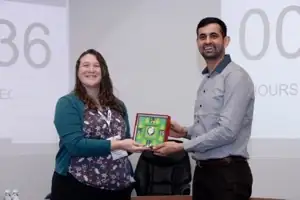
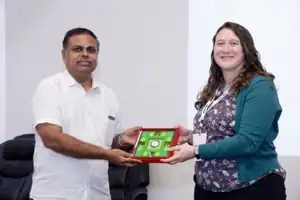
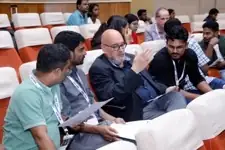
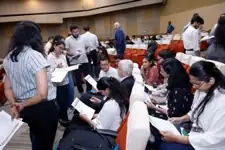
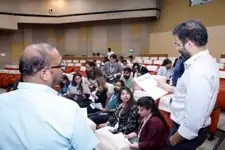
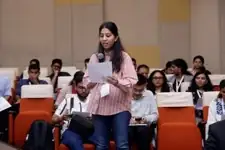
In an unusual and well-received departure from the standard talk format, Mr Rajiv Rajendra led an interactive gaming session from 2:12 to 2:57 PM, turning an afternoon slot into one of the meeting’s more memorable stretches.
From genomic insights to patient care
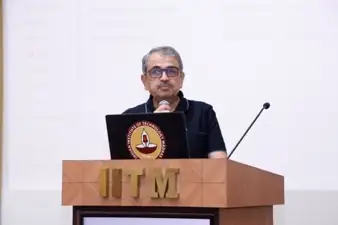
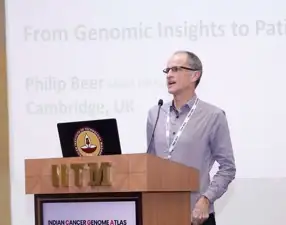
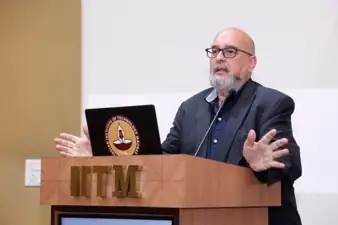
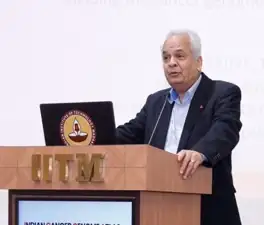
The closing scientific session turned to the clinic. Dr Philip Beer (Step Pharma) spoke on genomic datasets for oncology drug development, and Dr Rajendra Motiani on the Orai3 oncochannel in pancreatic cancer. Dr Jean-Claude Zenklusen, former Director of TCGA, who retired from US federal service as director of the Center for Cancer Genomics in January 2025, reflected on opportunities beyond genomics. The scientific programme closed with Dr Sunil Badve (Emory University) on “Science, Collaboration, and Hope: Building the Cancer Genome Future”.
Awards and closing
The meeting concluded with awards and closing remarks from 4:37 to 5:22 PM, followed by high tea, closing three days of scientific exchange, mentorship and networking.
Sponsors and partners
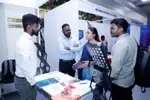
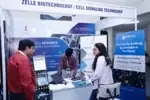
- Zelle CST
- TVS Capital Funds
- Strand Life Sciences
- SPT Labtech
- BSeqCure
- Premas
- New England Biolabs (NEB) India
- GeneX India
- Integrated DNA Technologies (IDT)
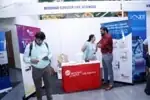
- Beckman Coulter Life Sciences (BCLS)
- 1Cell.Ai
- Takara Bio
What ICGA2025 leaves behind
ICGA2025 did what a sixth annual meeting should: it moved the conversation from whether India needs a national cancer genome atlas to how that atlas gets built, used and trusted in actual clinics. Six lightning talks and forty-five posters from a largely early-career cohort point to a pipeline of researchers already thinking in the multi-omics, population-specific terms the ICGA mission calls for.
“Together, let us move forward in transforming cancer care through science, collaboration, and compassion.”
Takeaways and future directions
- Three days of programming across genomic profiling, multi-omics integration, real-world clinical evidence and diagnostic and therapeutic innovation, anchored by sessions from TCGA’s former director Dr Jean-Claude Zenklusen and senior faculty from Emory, UNC and leading Indian institutions.
- A hands-on pre-meeting workshop, led by mentor faculty, building practical NGS interpretation skills for clinicians, researchers and students.
- Forty-five posters and six lightning talks giving emerging researchers a real platform, with mentor–mentee access to senior faculty throughout.
- A first-of-its-kind Genomics Pathways Challenge gaming session, showing a willingness to experiment with format alongside content.
- Continued international collaboration, with leading global voices in cancer genomics joining Indian institutional leadership on the programme.